How a Patio Designed for the Coast Becomes the Most Used Surface on the Property in Wilmington, NC
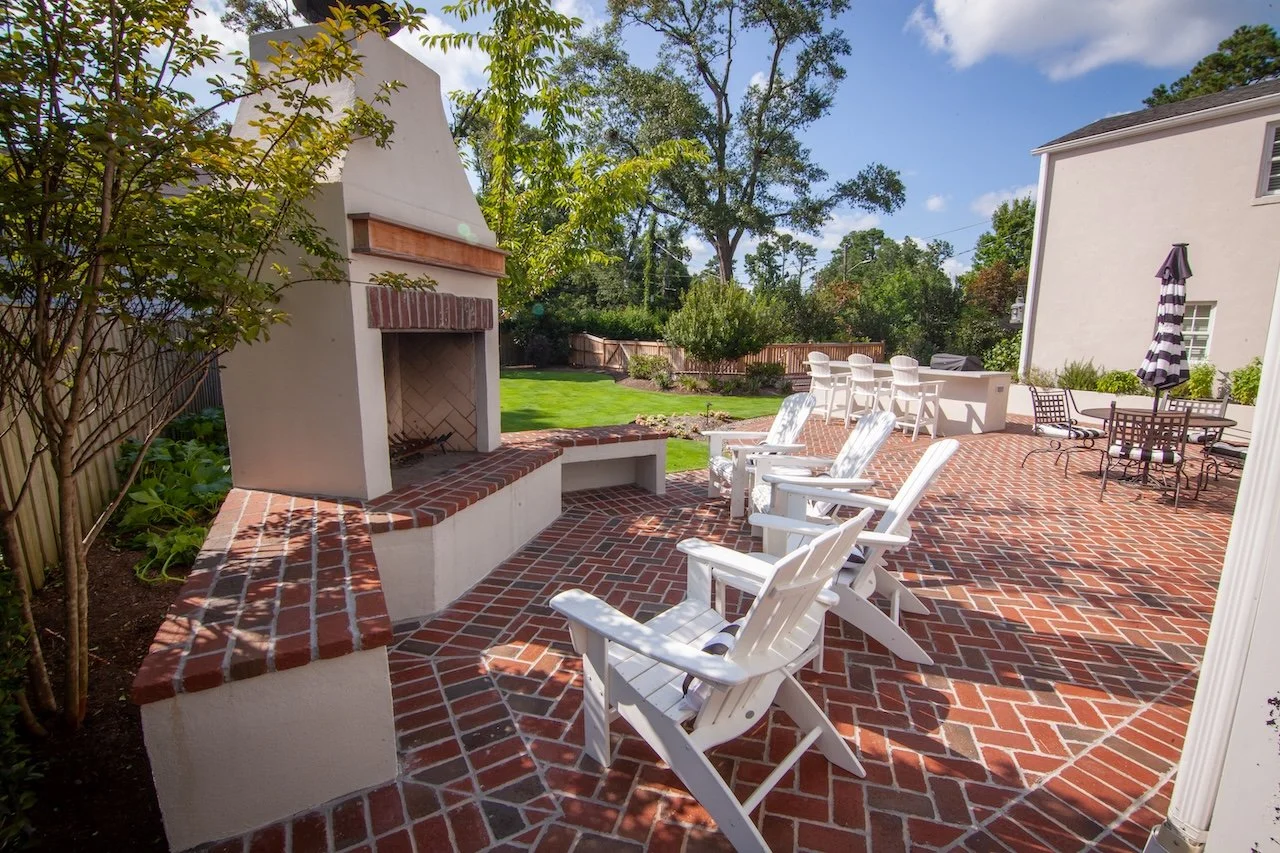
The coastal climate is generous with the outdoor season. From March through November, the temperatures in the Wilmington area support outdoor living almost every day. But the same climate that extends the season also tests every surface that sits exposed to it. The humidity promotes organic growth on hardscape. The afternoon storms dump an inch of rain in thirty minutes. The salt air degrades materials that perform fine fifty miles inland. And the UV, amplified by the reflective surfaces of the coast, fades and heats every surface that faces south or west.
A patio designed for the coast accounts for all of it. The material resists the moisture. The drainage handles the storms. The surface stays safe underfoot when wet. And the layout creates the outdoor living space the family uses more than any room inside the house.
Related:How a Pavilion Turns a Seasonal Patio Into a Year-Round Outdoor Room in Wilmington, NC
What the Coastal Climate Demands From the Build
A patio in the Cape Fear region faces conditions that inland patios do not. The build needs to respond accordingly.
A patio built for the coast requires:
A material that resists moisture absorption, organic growth, and the surface degradation that persistent humidity and salt air promote. Pavers with a dense, low porosity composition outperform more porous options in this environment.
A surface texture that provides slip resistance when wet, because the patio will be wet more often than it is dry during the rainy season and any film of moisture or organic material on a smooth surface becomes a hazard
Drainage that moves water off the surface quickly, graded at a minimum one percent slope away from the house, with consideration for the heavy rain events this region delivers during the storm season
A base compacted to the standard the sandy and clay composite soils in this area require, with drainage aggregate that prevents the subsurface saturation that destabilizes the paver system from below
Edge restraint that holds the perimeter in soil conditions that may provide less lateral support than compacted inland substrates
These specifications keep the patio performing through the conditions the coast delivers. A patio built to inland standards on a coastal lot will show the mismatch within the first rainy season.
Related: Patio & Pavilion Ogden, NC: The Foundation-and-Cover Combo That Improves Outdoor Living
How the Patio Should Function as the Outdoor Room
The patio is the floor. Everything else sits on it or around it. The outdoor kitchen occupies one edge. The dining area fills the center. The fire feature anchors one end. The pool deck connects along the other. And the walkway ties the whole space to the house.
A patio designed as part of the overall landscape plan accounts for all of these connections. The zones are proportioned for the furniture and the gatherings the family hosts. The material coordinates with the pool coping, the walkway, and any retaining walls. And the lighting extends from the patio into the surrounding landscape so the space functions after dark, which in Wilmington is when the evening is at its best.
The Surface That Earns the Season
A patio on the coast earns its keep nine months a year. Mornings with coffee. Afternoons by the pool. Evenings by the fire. And every gathering in between. The patio that handles the humidity, drains the storms, and stays beautiful through the salt air is the one built by someone who designed for the coast. If your property in Wilmington or the surrounding communities is ready for the surface that anchors the outdoor space, start with the conditions. The material and the layout follow from there.
Related: How Patio & Outdoor Fireplaces in Ogden, NC, Work Together to Improve Outdoor Living