Why More Wilmington, NC Homeowners Are Done Fighting Their Lawn and Switching to Artificial Turf
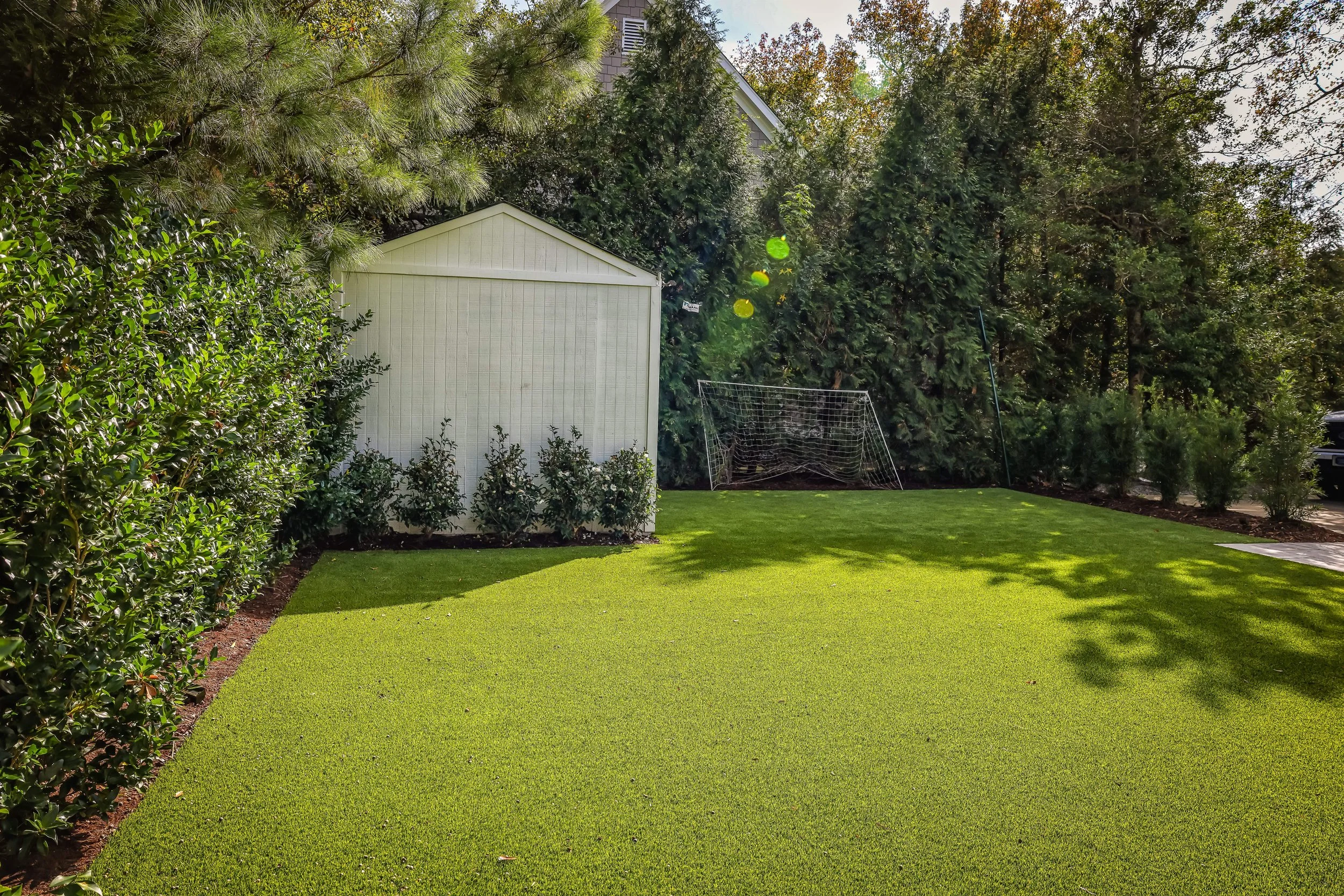
The lawn gets watered on schedule. It gets fertilized, mowed, edged, and treated for the fungus that shows up every August. And by September, it still looks patchy in the shaded corner, thin along the fence line, and stressed everywhere the sandy soil cannot hold moisture through a Wilmington summer.
For a growing number of homeowners, the math stops making sense. The effort keeps going up. The results stay the same.
Artificial turf is the answer more Wilmington, NC homeowners are landing on, and the reasons go well beyond simply wanting to skip the mowing.
Related: Lawn Care Strategies That Help Wilmington, NC, Lawns Thrive Year-Round
Why Does Coastal North Carolina Make Real Grass So Difficult?
Wilmington's sandy soil drains fast, which sounds like an advantage until it means nutrients and moisture disappear before the turf can use them.
Salt air from the coast stresses grass varieties that were not bred to tolerate it. Humidity creates ideal conditions for fungus and disease, while intense summer heat pushes cool-season grasses into dormancy and stresses warm-season varieties past their limit.
Add in the shade from mature live oaks that define so many Wilmington properties, and the result is a lawn that requires constant intervention just to look acceptable, let alone thrive.
What Does Artificial Turf Actually Solve?
Artificial turf removes the variables that make natural grass so difficult in this climate. There is no soil to amend, no shade tolerance to manage, no fungus pressure to treat. The surface stays green and consistent regardless of salt exposure, regardless of how much sun a given section of yard receives, regardless of how many weeks pass between rain.
For homeowners who have spent seasons reseeding bare patches or treating recurring lawn disease, artificial turf eliminates the cycle entirely. The yard looks the same in August as it does in April, with none of the seasonal stress that defines a natural lawn on the coast.
Where Does Artificial Turf Make the Most Sense on a Wilmington Property?
Shaded areas under live oak canopies are some of the most common applications, since these are often the spots where grass struggles regardless of how much care goes into it.
Pool surrounds benefit from turf's consistent texture and drainage, which holds up better to splash zones and foot traffic than natural grass ever does. Side yards, dog runs, and high-traffic play areas all perform better under turf, where wear patterns and bare spots are simply not a concern.
Properly installed artificial turf includes a base layer engineered for drainage, which matters in a region that sees heavy seasonal rainfall. Element Outdoor Living designs every turf installation with that drainage performance built in from the start, not added as an afterthought.
What Should Homeowners Expect From a Quality Turf Installation?
The quality of an artificial turf installation comes down to what happens beneath the surface. Proper grading, a compacted base, and adequate drainage determine whether the turf performs for a decade or starts showing problems within a few seasons.
Element Outdoor Living has installed turf across the greater Wilmington area as part of a broader approach to outdoor living, treating it as one element of a property's overall design rather than a standalone product swap.
Every project includes a ninety-day warranty, extending to a full year for homeowners enrolled in Element's estate maintenance program, which reflects the same standard applied across all of Element's outdoor living work.
Ready to Stop Fighting Your Lawn?
If your yard has become more maintenance than it is worth, artificial turf offers a way out that holds up to everything coastal North Carolina brings.
Schedule your consultation with Element Outdoor Living and find out where turf could make the biggest difference on your property.
Related: How Coastal Conditions Shape Lawn Care in Myrtle Grove, NC, & Kure Beach, NC